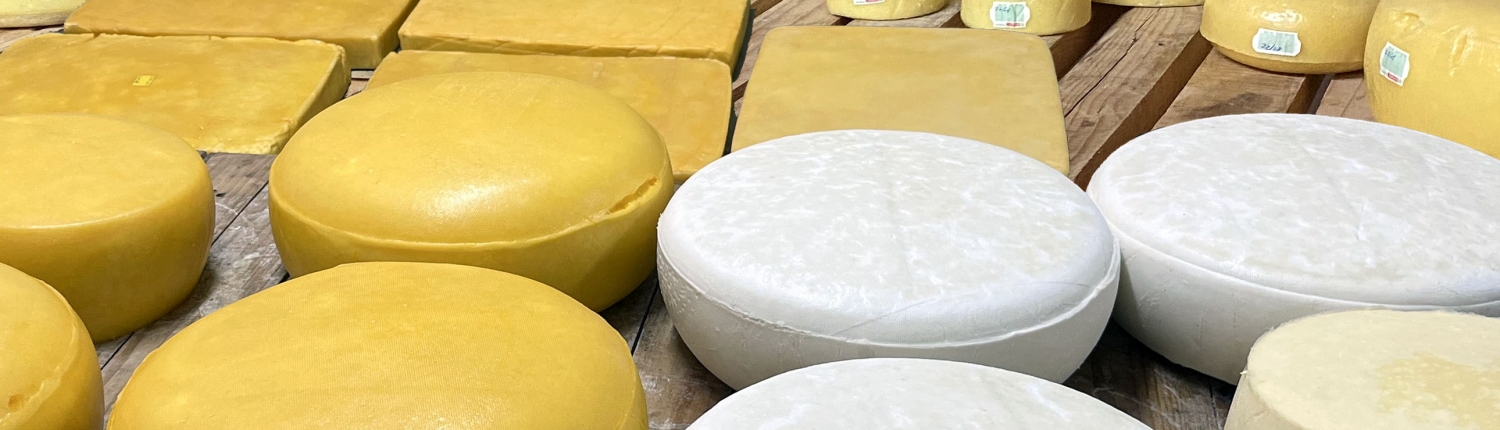
Artisanal cheeses are produced by hand using methods of traditional craftsmanship. So, the principle is going back to the origins and the art of cheesemaking, rather than the mass-produced, more industrialized production processes. Artisan cheeses are produced by hand and in small batches. Because of this, the cheeses are often more complex in taste and there is greater natural variation. Many are aged and ripened to achieve a specific look.

Farmstead cheeses also fall under this category, which are traditionally made with milk from the cheese producers’ own cows, sheep, or goats. Speciality cheeses can be made from all types of milk and often include flavourings, such as herbs and spices. However, these cheeses need to be of limited production to qualify as speciality cheeses.
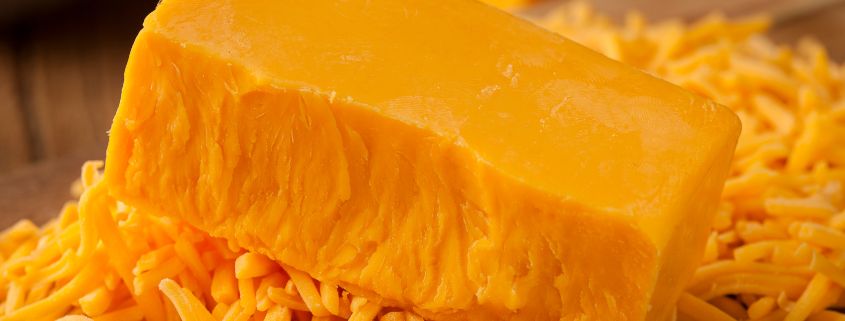

Cheddar

At its essence, cheesemaking is a means for extending the life of highly perishable milk protein. As food production shifted from the farm to the factory, Cheddar was poised to be the “it cheese”. Essentially every step made to improve it either increased yields or improved its stability for shipping and storage before the ubiquity of refrigeration. Cheddar is perhaps the only cheese that allows the taster to sample their way through the history of modern cheesemaking.

Gouda

The classic Gouda, with its characteristic sweetness and notes of caramel. As such, it is considered as one of the oldest types of cheese in the world. Gouda cheese is mainly made from pasteurised cow’s milk. Some artisans also make use of unpasteurised goat or sheep’s milk.

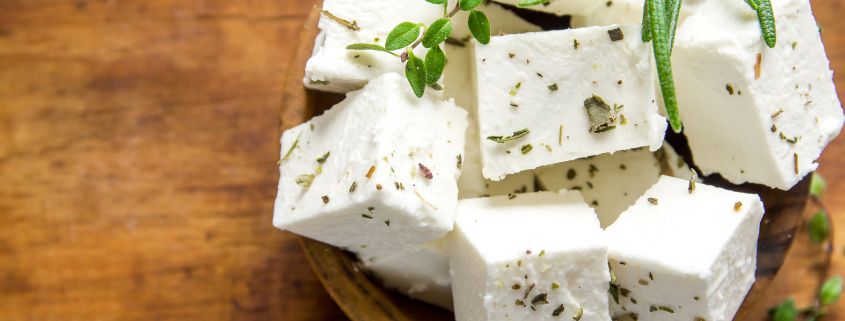
Feta

Feta cheese is a delicious, crumbly-yet-sliceable cheese that is commonly served alongside kalamata olives, pita bread, and hummus. It’s not unheard of to find it tossed in a leafy green salad, or even mixed in with scrambled eggs. Nowadays, you can even find Feta cheese added into pasta dishes and sauces, or even as a welcome addition to a hot and cheesy pizza.

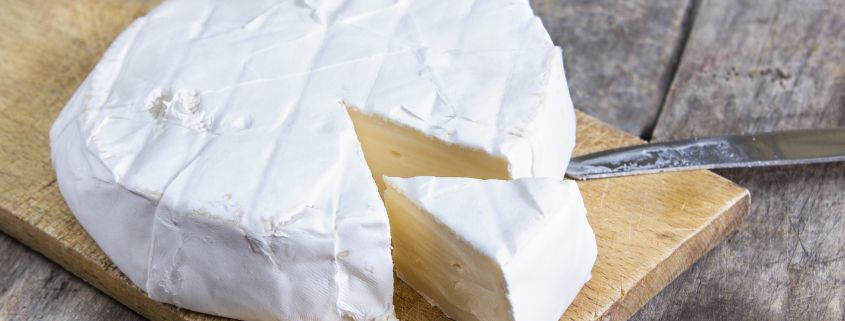
Soft Cheese

Soft cheese can be made from cow, goat, or sheep’s milk and come from countries and places around the globe. Common types of soft cheese are Brie, Ricotta, Cream cheese, Camembert, Chevre, Roquefort, and Gorgonzola, and – of course – Cottage cheese. All these cheeses have a special tangy creaminess that no other food imparts.

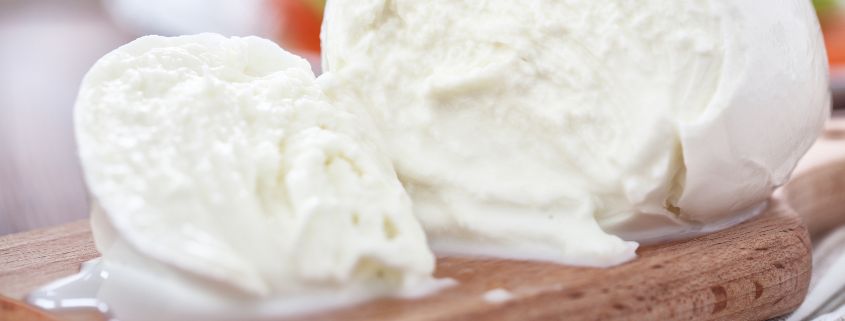
Mozarella

Mozzarella cheese is not aged like most cheeses. It is eaten fresh and within a few hours after it is made. It can be kept in brine for up to a week. Low-moisture Mozzarella can be refrigerated for a month; some shredded low-moisture Mozzarella’s shelf life is up to six months.

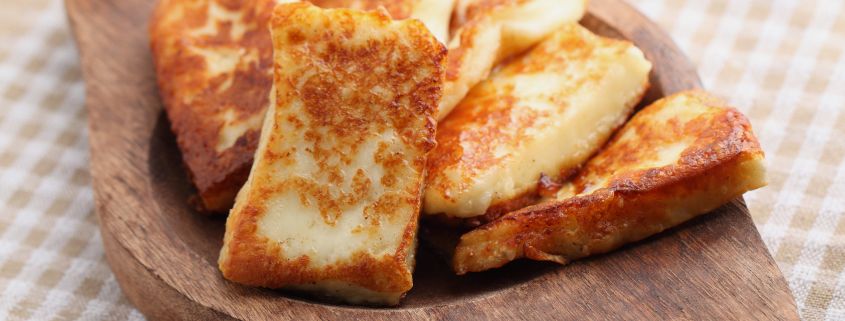
Halloumi

Traditionally, Halloumi is made from goat’s or sheep’s milk (or a combo of the two), but cow’s milk is also used today. As for the flavour, it’s tangy and salty, somewhere between Mozzarella and Feta cheeses. Because it has a higher melting point than many other types of cheese, it can be baked, grilled, or fried without losing its shape. As such, it’s typically served cooked, which enhances its signature salty taste and makes it slightly crispy on the outside.

Only the highest quality and standards maintained to ensure that the best product end up on your table

© Copyright 2023 Henpro Pty Ltd